The accretion model is common knowledge, and hardly any scientific paper will dispute it. By now, it is regarded as the de facto standard in astronomy, and for many, it is already considered the proven theory of how bodies form in space. In the accretion model, all bodies in our universe—from stars and planets to comets and asteroids (small bodies)—are created due to the force of gravity.
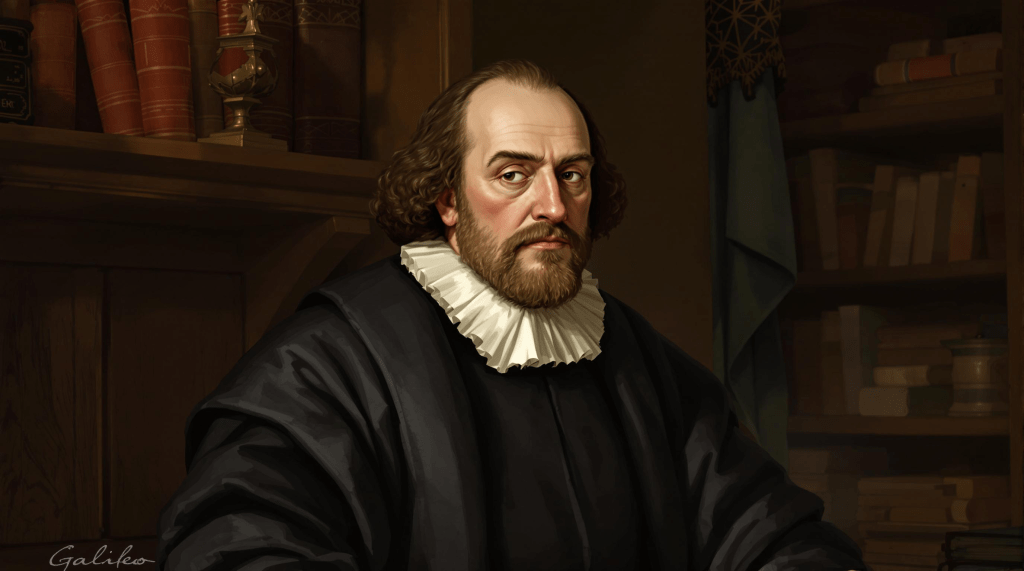
In 1589, Galileo conducted his first experiments with gravity at the Leaning Tower of Pisa.

Later, in the 1660s, Newton developed the laws of motion, which include the law of gravity, at the University of Cambridge.

In 1755, German philosopher Immanuel Kant proposed the nebular hypothesis, in which a great cloud of material—the solar nebula—preceded the Sun and planets. Link. Gravity then initiated the formation process of our solar system—first the Sun, and then the planets. It is also gravity that prevents the planets from vanishing into the vacuum of space around our solar system. So far, so good.
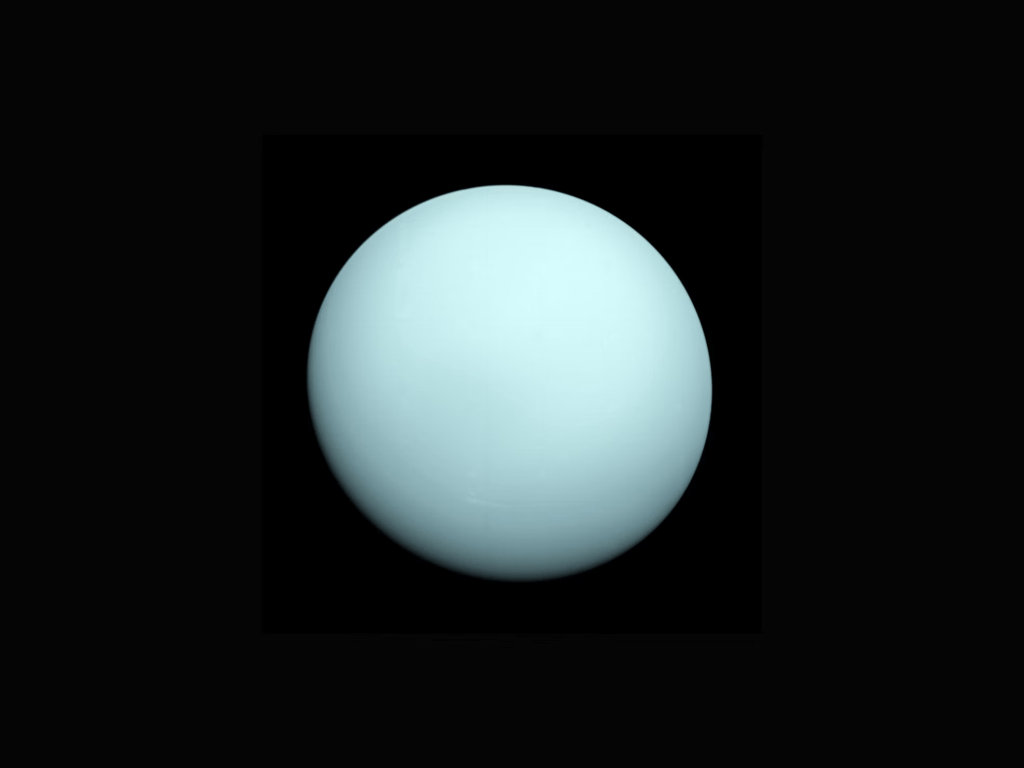
This model has made some very good predictions and led to the discovery of additional planets in our solar system, such as Uranus in 1781.

However, the first signs of its limitations appeared with Einstein. When did Isaac Newton Finally Fail?
Lately, the accretion model has not been making accurate predictions. Instead, surprises have become the new normal.
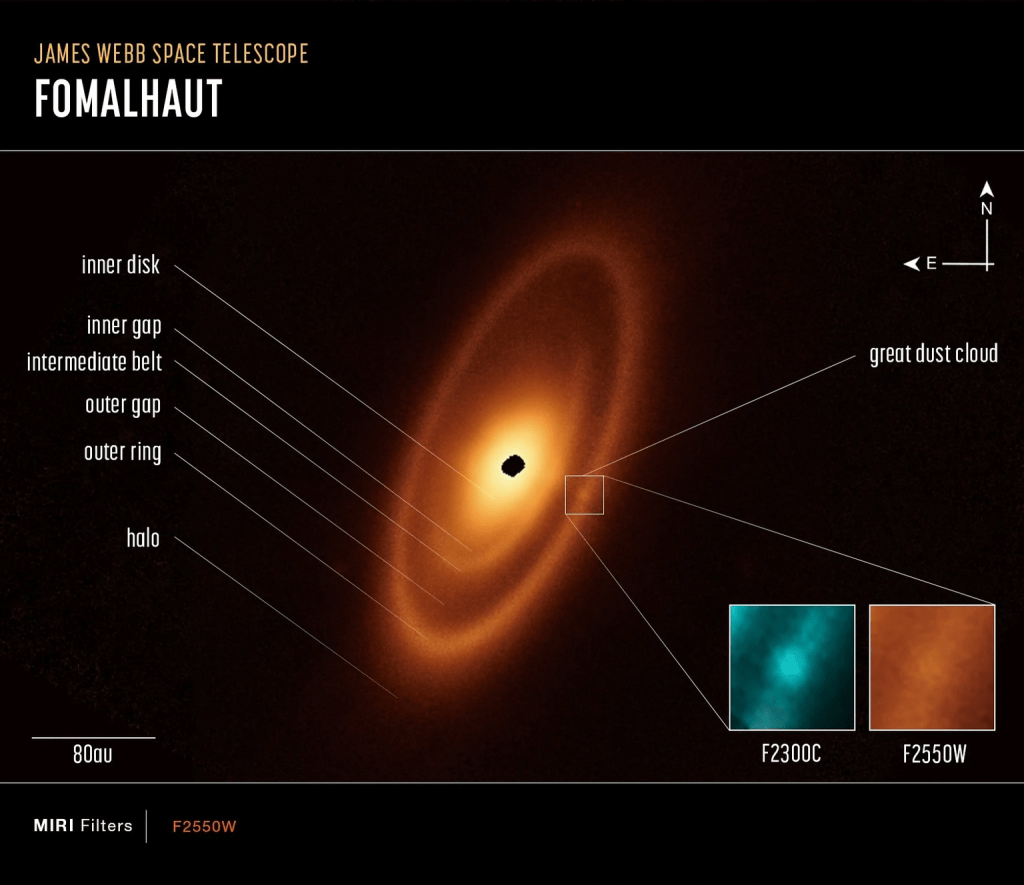
The latest example are:
a) Star and planets formation happens simultanously: “A Case of Simultaneous Star and Planet Formation” Authors: Felipe O. Alves, L. Ilsedore Cleeves, Josep M. Girart, Zhaohuan Zhu, Gabriel A. P. Franco, Alice Zurlo, and Paola Caselli – Published 2020 November 19 • © 2020. The American Astronomical Society.
b) Protoplanetary disk size-mass discrepancy: Massive stars possess larger protoplanetary disks, yet these disks dissipate faster than those around less massive stars. Observation by Alma Observatory: https://iopscience.iop.org/collections/Focus-on-exoALMA
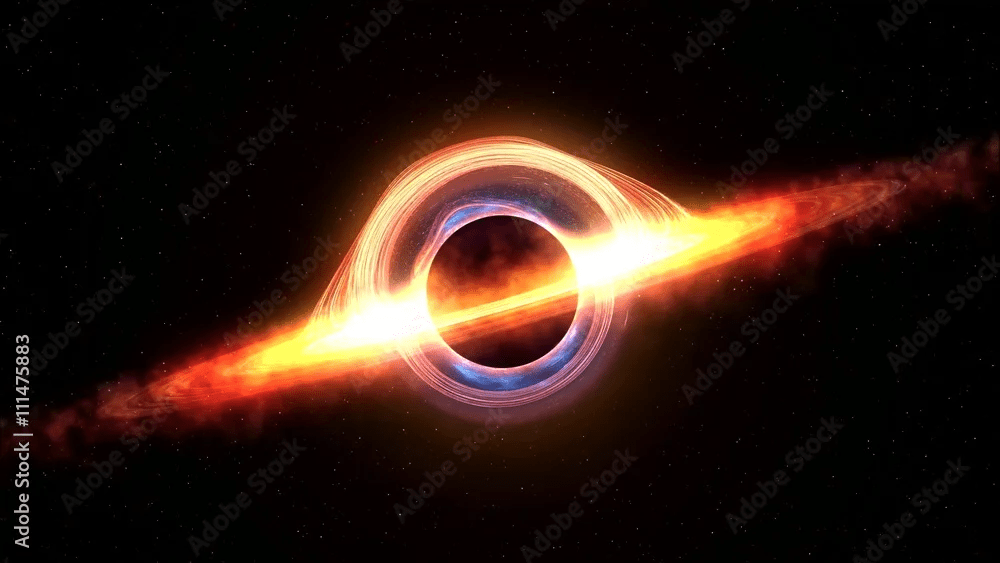
c) “Black hole does not stop star birth instantaneously which goes against the current scientific prediction” – Allison Kirkpatrick, assistant professor at the University of Kansas in Lawrence Kansas and co-author on the study in Galaxy Survives Black Hole’s Feast – For Now (Nasa.gov)
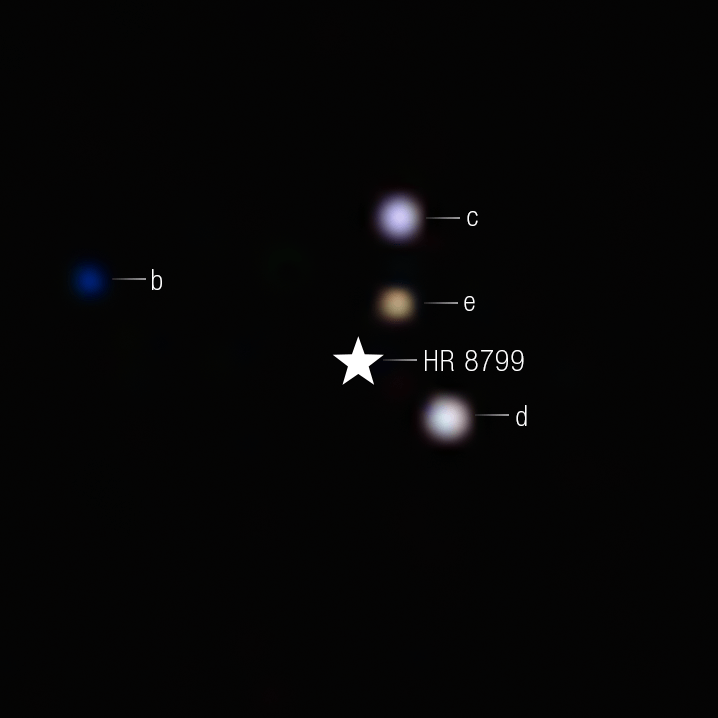
The discovery of exoplanets created further challenges for the accretion model. Link.
d) “Large planets shouldn’t form around low-mass stars due to limited disk material”
Even Isaac Newton had some doubts about the gravity model. Link
“And this is one reason why I desired you would not ascribe innate gravity to me. That gravity should be innate, inherent, and essential to matter, so that one body may act upon another at a distance through a vacuum, without the mediation of anything else, by and through which their action and force may be conveyed from one to another, is to me so great an absurdity that I believe no man who has in philosophical matters a competent faculty of thinking can ever fall into it.”
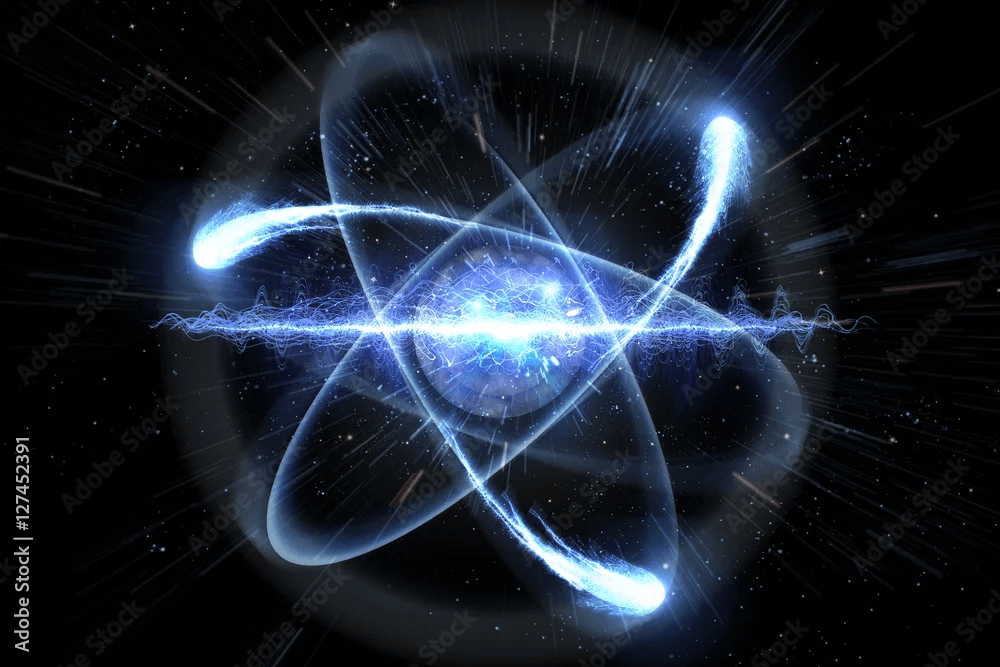
When scientists began to research atoms and particles, it was the first time gravity (accretion) failed completely. While we have now come to accept the fact that electrons are not bound by gravity to their atomic nucleus, it is still entirely clear to us that water turns into ice when the temperature falls below zero, and turns into gas when it is heated to 100°C.

When we look up at the sky, we would never assume that rain is caused by the collapse of clouds due to gravity.
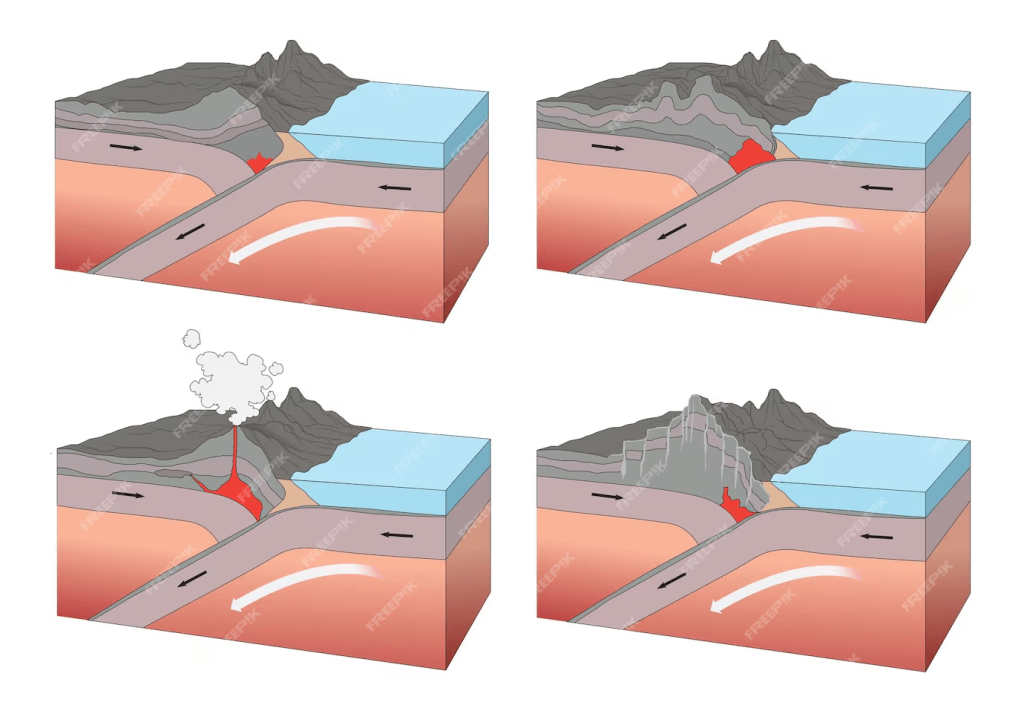
Nor would we think that valleys form solely because of gravity. Rather, we know that mountains are created through the movement of tectonic plates. For all the structures we see around us, we understand that it is energy flows that create and shape them.
Different factors are key, and accretion does not play a role in explaining the formation processes of all these structures.

Another good example is hail, which belongs to the so-called hydrometeors. Here, thermodynamics (temperature differences) is the main driver.

Even for the height and timing of our tides, it is not so much the gravitational forces but rather regional forces that are most influential. Link
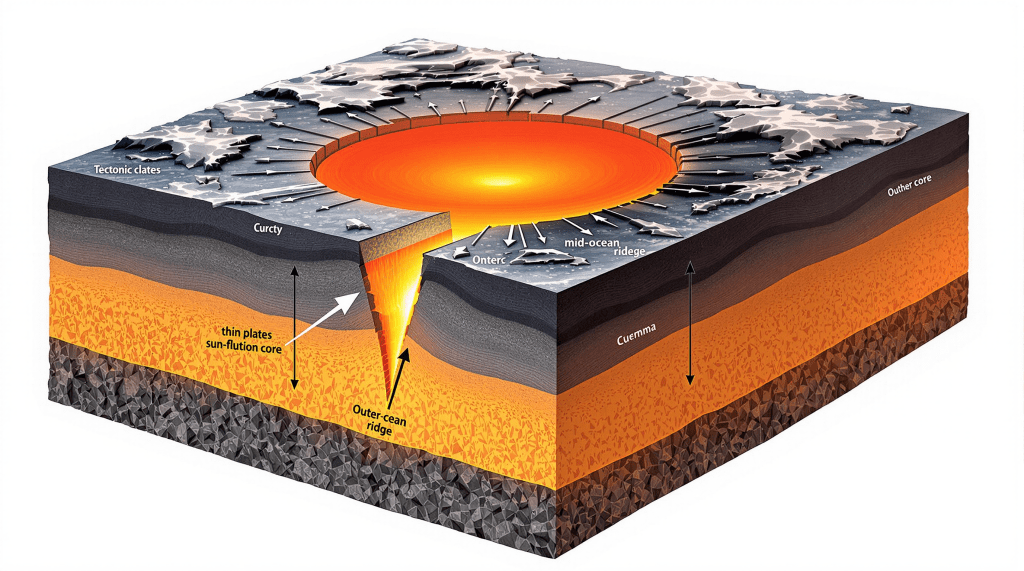
The cause of continental drift and plate tectonics was first attributed to gravitational forces. However, it soon became clear that these forces are not strong enough. Now, it is common knowledge that our tectonic plates float on a molten layer of rock. The plates are moved by convection in these molten layers, which are called the asthenosphere and lithosphere.
Lately, the same applies to why Earth has retained its oceans while Mars has lost all of theirs. In this case, it is planetary magnetism, not gravity, that is decisive. Reference: Planetary Magnetism as a Parameter in Exoplanet Habitability, Planetary Magnetism as a Parameter in Exoplanet Habitability Link
“The interstellar medium is instead magnetic, compressible, and turbulent, influencing critical processes like star formation, cosmic-ray movement, and material mixing in space.”
Reference: The spectrum of magnetized turbulence in the interstellar medium

Even in the absence of structures—in a vacuum—there are still structure-forming forces, such as the so-called Casimir force. Link. In fact, a perfect vacuum has fluctuating fields where virtual particles form for very short periods of time.
Recently, it has been shown that matter can form out of a vacuum not only in black holes, but also in other types of matter configurations without an event horizon. See: Gravitational Pair Production and Black Hole Evaporation https://journals.aps.org/prl/abstract/10.1103/
PhysRevLett.130.221502
So why do we still need the concept of an imaginary tether, in the form of gravity, to explain why our planets, moons, and small bodies do not drift away from our solar system into the void of space?
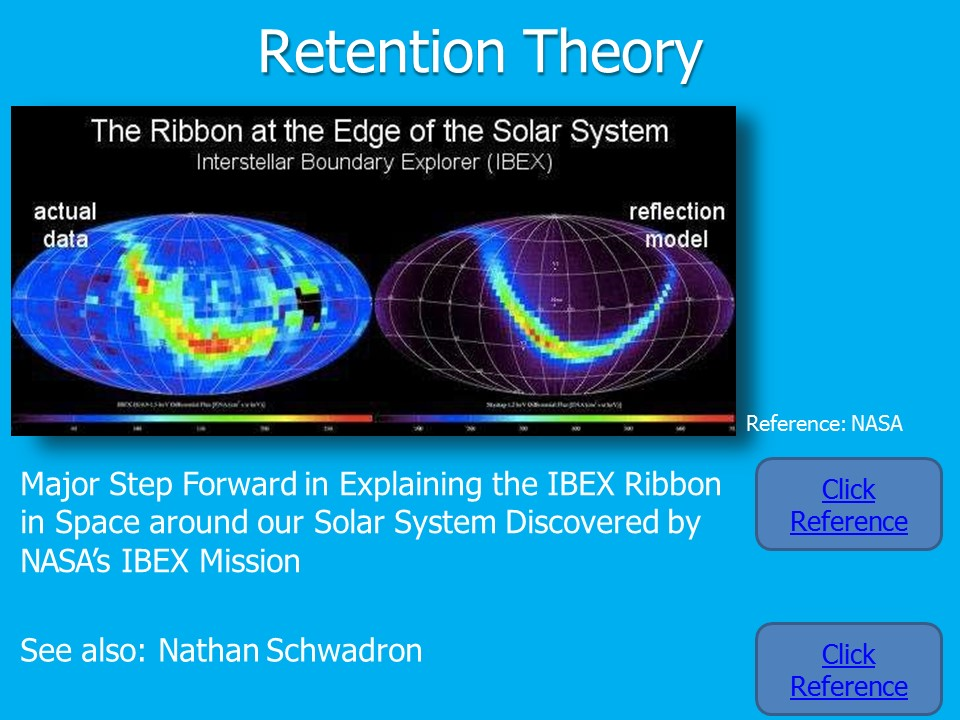
Up until 2013, the common view was that our solar system is surrounded by a void without any border. However, this view changed with the IBEX mission (Interstellar Boundary Explorer Spacecraft). Retention Theory: Link and Link.
Viking 2 has crossed this boundary in the year (2019). Reference: “Voyager 2 Illuminates Boundary of Interstellar Space” Link
“The plasma inside the heliosphere is hot and sparse, while the plasma in interstellar space is colder and denser. ” Ed Stone, project scientist for Voyager and a professor of physics at Caltech.
Reference: News Media Contact, Calla Cofield, Jet Propulsion Laboratory, Pasadena, Calif.,
calla.e.cofield@jpl.nasa.gov
“NASA’s Voyager 2 Prober Enters Interstellar Space” Link
American Geophysical Union (AGU) in Washington
Plasma Science Experiment (PLS)
John Richardson, principal investigator for the PLS instrument and a principal research scientist at the Massachusetts Institute of Technology in Cambridge
Nicola Fox, director of the Heliophysics Division at NASA Headquarters
Suzanne Dodd, Voyager project manager at NASA’s Jet Propulsion Laboratory (JPL) in Pasadena, California
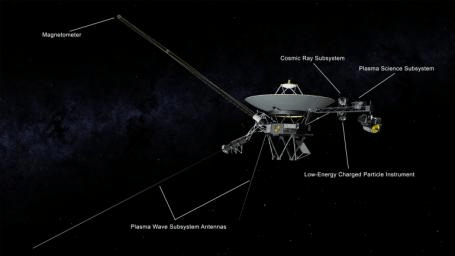
“The Voyager Interstellar Mission is a part of NASA’s Heliophysics System Observatory, sponsored by the Heliophysics Division of NASA’s Science Mission Directorate in Washington. JPL built and operates the twin Voyager spacecraft. NASA’s DSN, managed by JPL, is an international network of antennas that supports interplanetary spacecraft missions and radio and radar astronomy observations for the exploration of the solar system and the universe. The network also supports selected Earth-orbiting missions. The Commonwealth Scientific and Industrial Research Organisation, Australia’s national science agency, operates both the Canberra Deep Space Communication Complex, part of the DSN, and the Parkes Observatory, which NASA has been using to downlink data from Voyager 2 since Nov. 8.”
 Circular Astronomy