Updated: 09.05.2025 with latest research.
In the convection cell condensation model, the planets and small bodies form within these gas rings, while in the accretion model, the planets form in the gaps between these rings. Lately, rotating gas rings have been discovered around the star HD 163296. Link
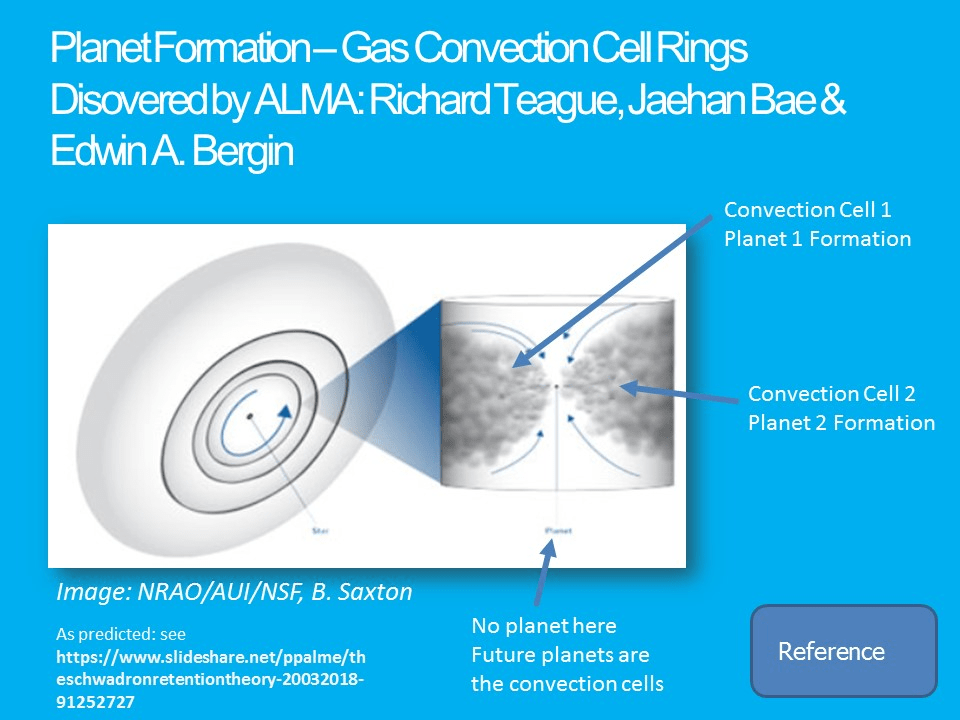
Meridional flows in the disk around a young star
2019: Authors Richard Teague, Jaehan Bae & Edwin A. Bergin
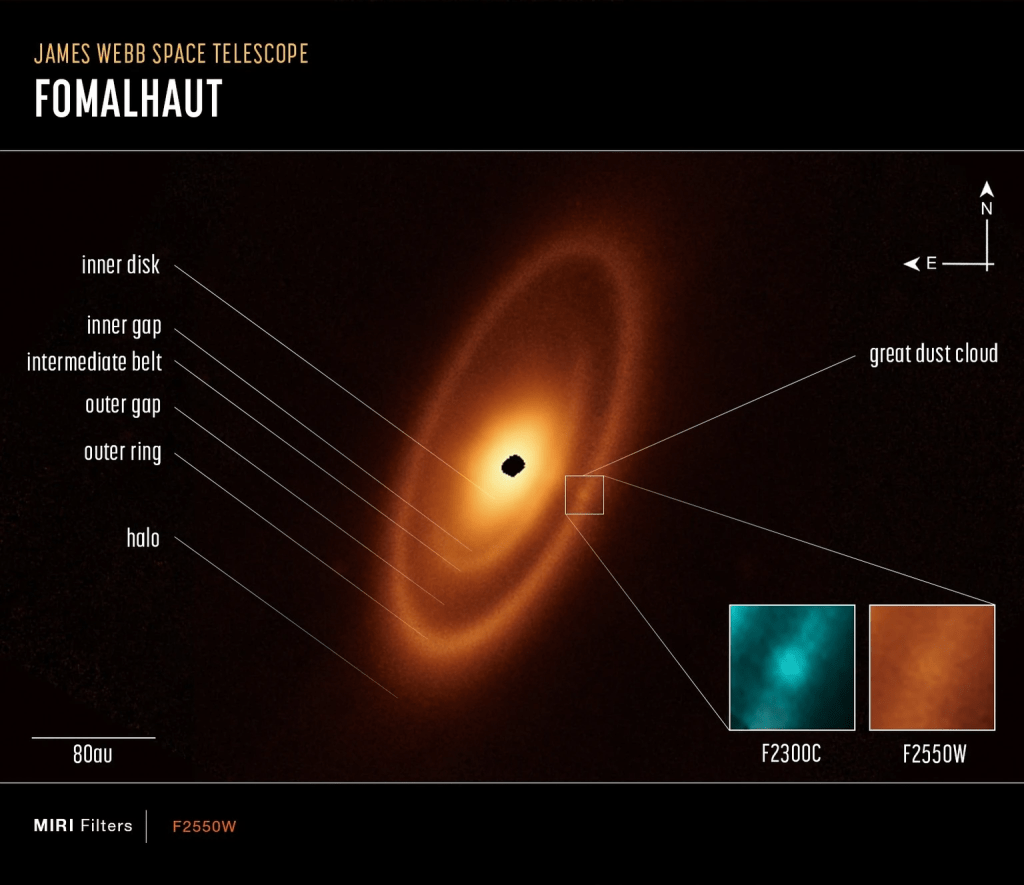
Formalhaut: Three Dust rings, but no planets between the dust rings. Image: nasa, esa, csa, a. pagan (stsci), a. gáspár (university of arizona) https://www.nature.com/articles/s41550-023-01962-6 and https://www.watson.ch/wissen/astronomie/889686736-james-webb-teleskop-entdeckt-drei-asteroidenguertel-um-stern-fomalhaut
Convection cells, for example, exist in the atmosphere of our planet, in our Sun, or in liquids.
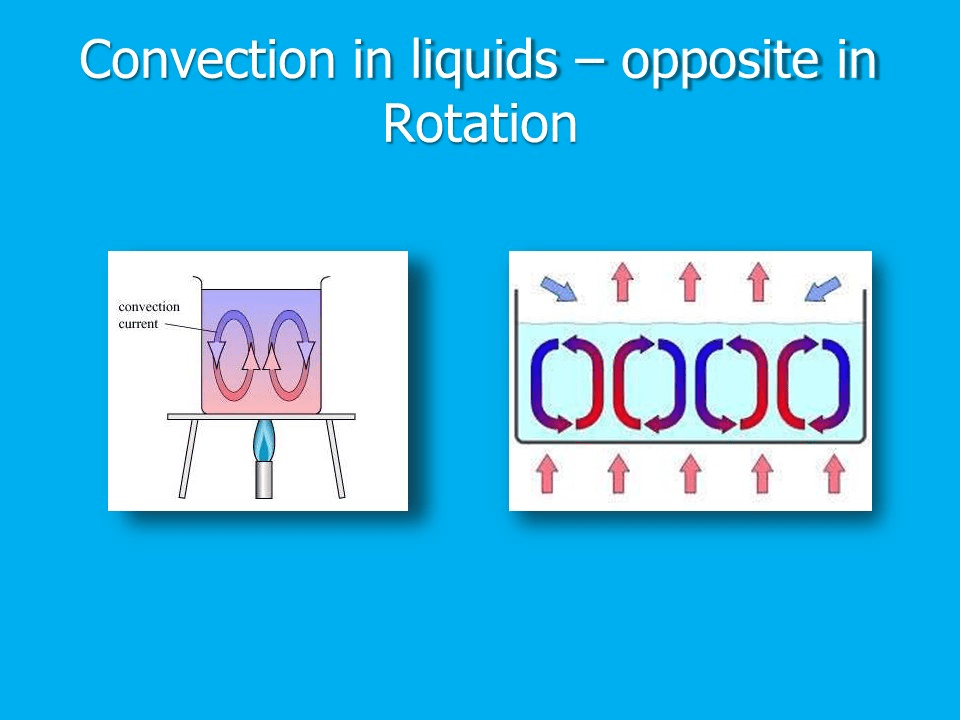
For liquids to form convection cells, a one-sided heat source is required. Link1. Link2. Natural convection in plane horizontal layers is called Bénard cells. Link. These cells are observable, for example, on the surface of our Sun.
The Sun itself is a one-sided heat source in a three-dimensional spherical convection zone—probably a pancake structure. See Reference: “Protoplanetary disk—a swirling “pancake” of hot gas and dust from which planets form.”
The IBEX ribbon acts as the boundary layer for this convection zone. Below is a very simplistic graphical sketch.
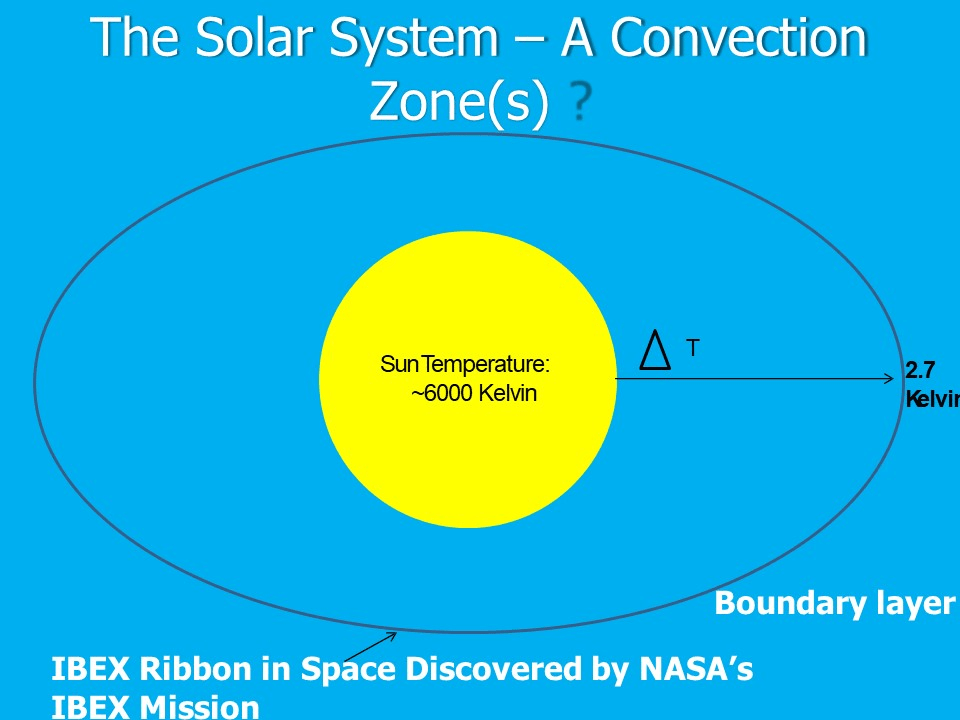
Our Sun was much hotter in the past. As a young protostar, the Sun likely had a temperature of 1 million kelvin. Plasma jets would heat up the gas and dust disk around the proto-Sun.
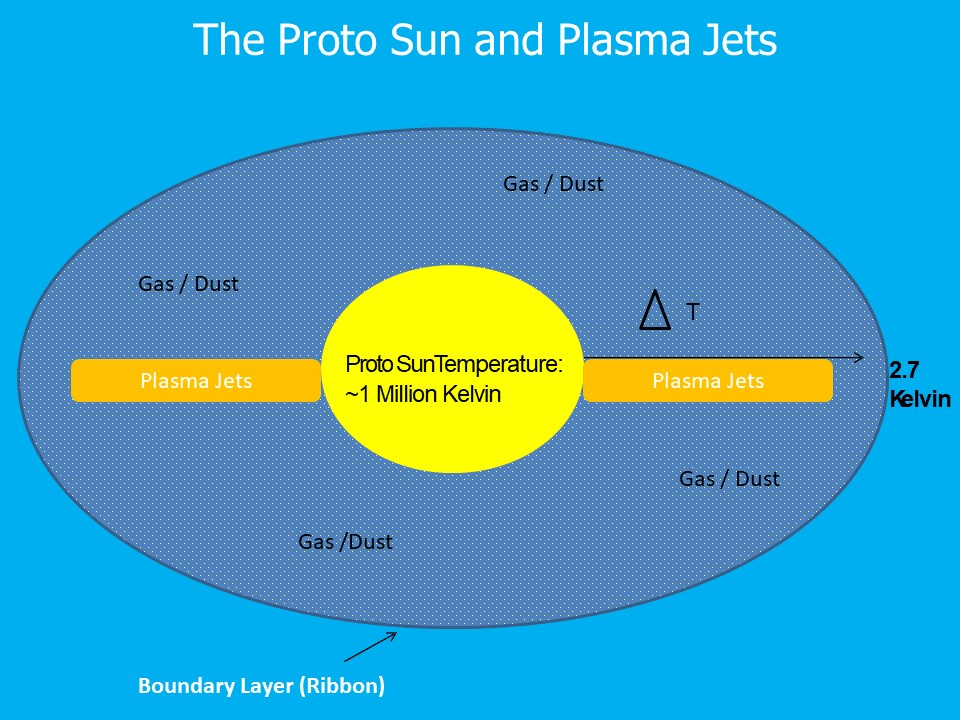
With a heat source—the proto-Sun with plasma jets—and a boundary layer (IBEX ribbon), convection cell rings formed in the gas and dust disk. The tilt and rotation of our planets today are an indication of this process.
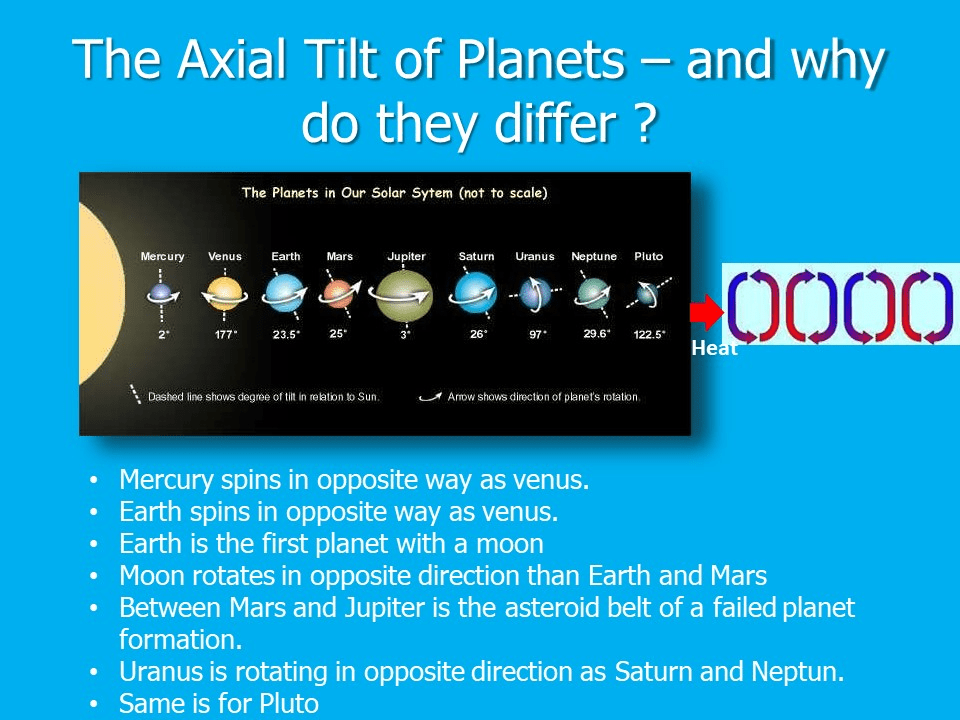
The accretion model, instead, requires large impact scenarios to explain the different rotations and tilts of the planets Venus and Uranus, as well as for Mercury and the collision between Earth and Theia to form the Moon.
See Challenges for Giant Impact Moon Formation: https://www.pnas.org/doi/abs/10.1073/pnas.1809060115
Based on the convection cell condensation theory, there could be a link between the characteristics of the star and the type of exoplanets formed (thermodynamics).Exoplanets Database:
https://exoplanetarchive.ipac.caltech.edu/
Size of exoplanets correlates with the shape of their orbits. https://www.pnas.org/doi/abs/10.1073/pnas.2405295122
Below an example of a protoplanetary disk with boundary layers:
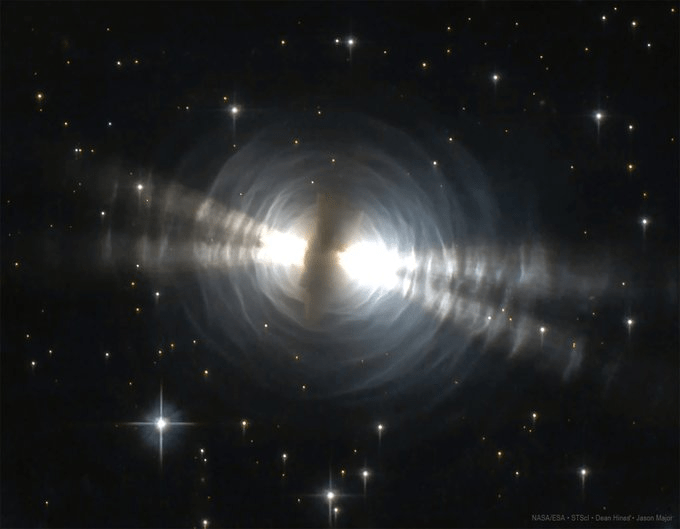
Protoplanetary Egg nebula in Cygnus 3000 light-years away shared by Jason Major @JPMajor on twitter
“An opaque cloud of dust and gas hides a central star that’s expelling its outer layers; beams of its light escape the cloud through holes, illuminating the layers.”
Ohter examples of Planetary Disks:
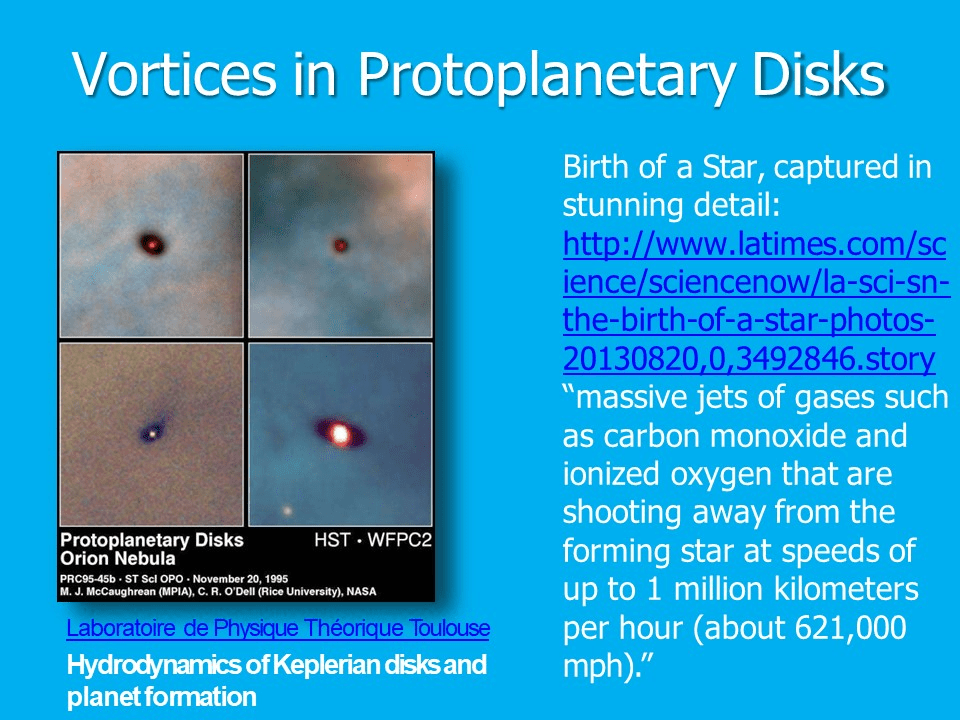
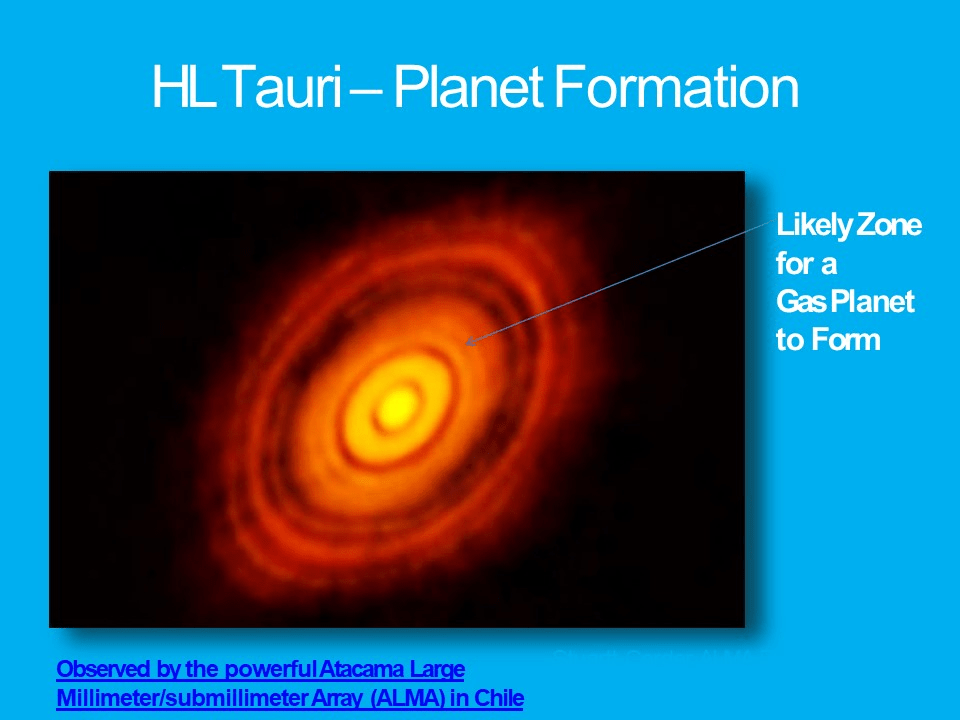
TWA 7 is a very young red dwarf, approximately 6.4 million years old.
Reference: Evidence for a sub-Jovian planet in the young TWA 7 disk https://www.nature.com/articles/s41586-025-09150-4
Strking Level of Structure in Their Gas Distributions
“Protoplanetary disks are highly dynamic environments which exhibit a striking level of structure in their gas distributions” Reference: ExoALMA survey reveals incredible images of structures in protoplanetary disks (28.04.2025)
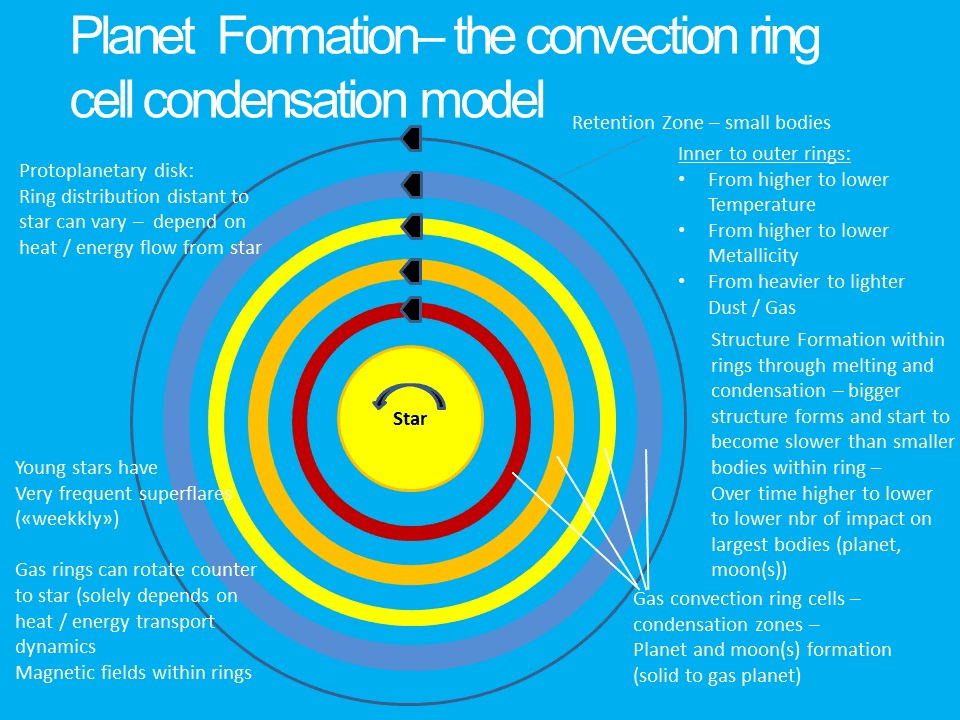
Formation of Gas Planets
“Gas, mainly hydrogen and helium, dissipates within a few million years, while the dust lingers much longer.”
Compositions of Small Bodies Formed at Different Locations
However, for the accretion model, it is even more complex to explain the formation of all the small bodies in our solar system and how they were transported to their current locations.
TNOs (Trans-Neptunian Objects) for example have varying surface compositions, particularly in the relative amounts of water ice, carbon dioxide, methanol, and complex organic molecules. This diversity suggests varied origins and evolutionary paths, indicating that Centaurs are a dynamic and transitional group rather than a homogeneous population. https://x.com/ExploreCosmos_/status/1869759481036308551
The dust composites of comets formed at different temperatures and at different times, yet the nucleus formed in the outer region of our solar system. One of the most complex examples is 81P/Wild 2. Link The composition of the dust is known due to several space missions, such as Stardust, Deep Impact, Rosetta, and, more recently, a Japanese mission.
Lawrence Livermore National Laboratory (LLNL) scientists (Greg Brennecka, lead author) studied isotopes of the element molybdenum found in meteorites. They concluded that the solar system must have formed in less than 200,000 years. Link. “The oldest dated solids in the solar system are calcium-aluminum–rich inclusions (CAIs), and these samples provide a direct record of solar system formation. These micrometer- to centimeter-sized inclusions in meteorites formed in a high-temperature environment (more than 1,300 Kelvin), probably near the young sun. They were then transported outward to the region where carbonaceous chondrite meteorites (and their parent bodies) formed, where they are found today. The majority of CAIs formed 4.567 billion years ago, over a period of about 40,000 to 200,000 years.“
Bennu Sample: Head-Scratcher: magnesium, sodium and phosphate — a combination rarely if ever seen in meteorites – Two out of three scientific explanations will point to fluid dynamic formation processes for Bennu https://www.nature.com/articles/d41586-023-03978-4
Small body database:
https://ssd.jpl.nasa.gov/sbdb.cgi
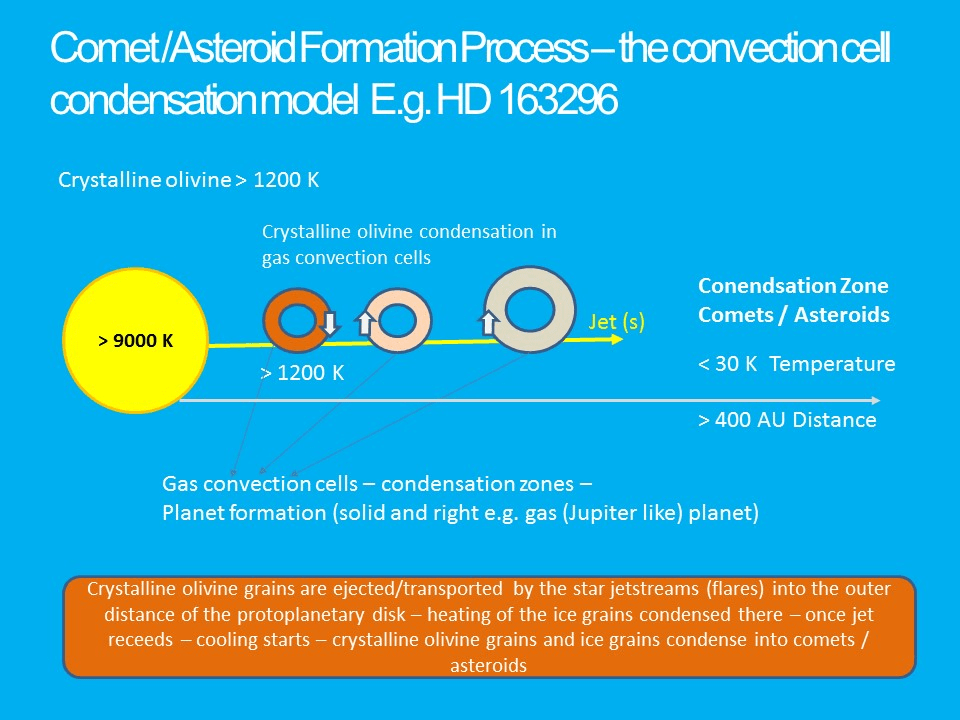
Most asteroids and comets, due to the high pressures (greater than 5,000 Pa) when parts of their material formed, as well as the relatively fast cooling in space or through impacts, have formed quasicrystal structures. Their porous structures allow water to become embedded and freeze. The missions to the asteroids Ryugu and Bennu will likely bring back more quasicrystals. Link. See Paul Ehrenfeldt, Luca Bindi’s work on quasicrystals.
The composition of asteroids and comets was formed in different locations of the planetary disk. It is through the jets that the materials are brought together, and their final structure forms at the farthest transport point of the jet or when the jets finally stop.
1979: V. V. Kryachko found the first natural quasicrystal
1982-84: Paul Steinhardt theorized about new form of matter and developed togehter with Dov Levine the Theory for quasicrystals based on the Penrose Tiles (1974)
1982: Dan Schechtman discovered the first quasicrystal in the laboratory (Nobel Prize)
1985: Razin et. al describe the quasicrystal found by V.V. Kryachko as new crystal (unknown of the fact that it was a quasicrystal)
2008: Luca Bindi identified the first natural quasicrystal
2009: Confirmed by Paul Steinhardt and ??
Link
While the Sun’s plasma jets ceased long ago, the solar wind still impacts the shape and behavior of the objects in our solar system.
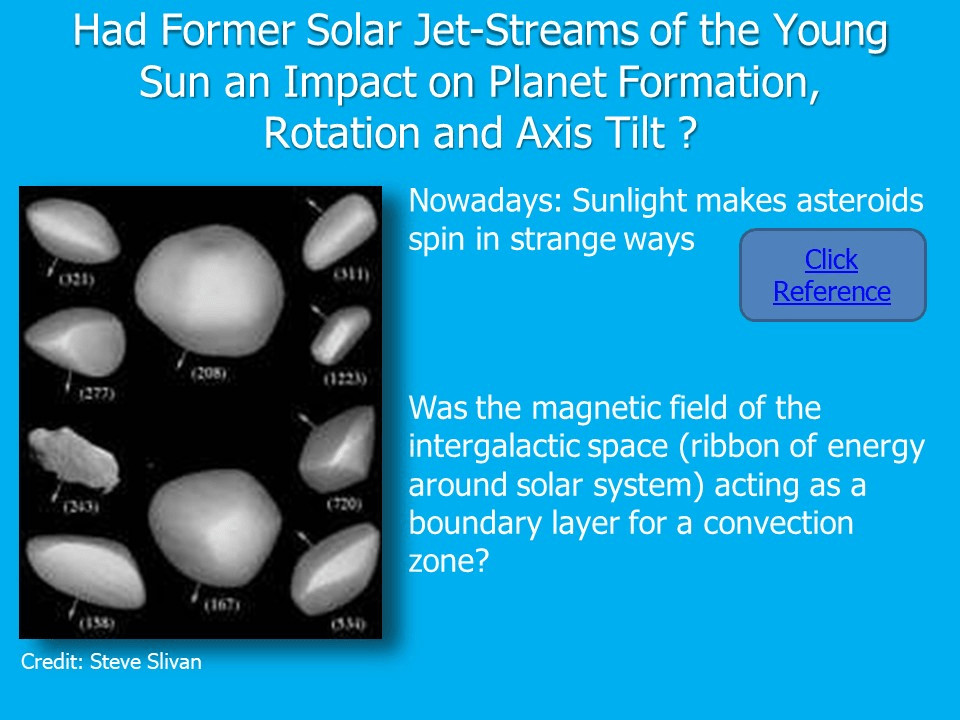
Even Earth’s rotation is variable and can sometimes even speed up. In 2020, the shortest days since measurements of Earth’s daily rotation (duration of the day) began were recorded. Link
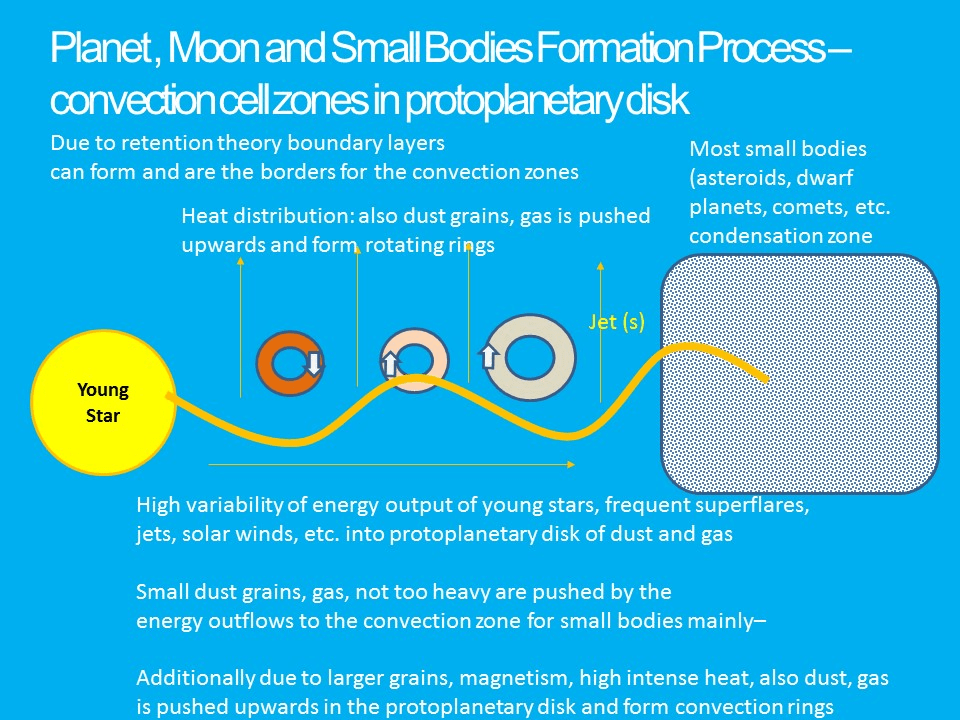
Protoplanetary Disc: Photoexcitation or stochastic heating of material smoothly flowing away from the star along the disk surface.
Reference: JWST imaging of edge-on protoplanetary disks. III. Drastic morphological transformation across the mid-infrared in Oph163131 –
Marion Villenave, Karl R. Stapelfeldt, Gaspard Duchene, Francois Menard, Marshall D. Perrin, Christophe Pinte, Schuyler G. Wolff, Ryo Tazaki, Deborah L. Padgett
https://arxiv.org/abs/2410.00156v1
The role of magnetic field in protoplanetary discs:
https://twitter.com/astrolinguistic/status/1826187773159911592?s=43
High-temperature condensation of iron-rich olivine
in the solar nebula
1989: Herbert Palme and Bruce Fegley Jr.
Page 1: “Olivine is the most abundant mineral in many chondritic meteorites”.
“FeSiO 3 and Fe2SiO 4 were stable at T < 600 K in the solar nebula”.
Page 2: “formation of the FeO-bearing
olivines in the rims and veins occurred at comparatively
high temperatures. However, as noted
earlier in section 1, this is not possible in a solarcomposition
gas because formation of FeO-bearing
olivines with the composition Fa20 requires temperatures
of -425 K [9] while more-fayalitic
olivines, like those found in Allende, require even
lower temperatures.
As originally shown by Palme and Fegley [18],
a gas phase that is significantly more oxidizing
than a solar composition gas is needed for the
formation of FeO-bearing olivine at high temperatures
in the solar nebula. In the present paper we
calculate the conditions required for condensation
of FeO-bearing olivine and show that an oxygen
fugacity several orders of magnitude greater than
that of a solar-composition gas is needed for condensation
of the observed mineral assemblages.
See figure 2: Condensation temperature
“Condensation temperatures of corundum, forsterite and
various Fe-bearing phases (Fe-metal, wiistite, magnetite) as
function of the oxygen fugacity of the nebula (expressed as
HEO/H 2 ratio). The field for possible forsterite-fayalite solid
solutions is indicated. The condensation curves for wiistite and
magnetite are shown for comparison. They were calculated
assuming no removal of Fe from the gas by condensation of
metal. In the classical condensation model Fe would condense
as metal and equilibrate at low temperatures with silicates to
produce FeO-rich olivine and pyroxene. At more oxidizing
conditions a solid solution of forsterite and fayalite would
condense before Fe-metal. The amount of fayalite would increase
wi.th increasing H20/H 2 ratios of the gas.”
“For example, the condensation
temperatures of forsterite and metallic
iron at 10 -6 atm in solar-composition gas are
1234 K and 1205 K, respectively.
Oxygen fugacities higher than those”
Page 5: “In a gas of solar composition, enstatite condensation
begins a few tens of degrees below the
condensation temperature of forsterite. For example,
at a pressure of 10 -3 atm and a solar HzO/H 2
ratio, forsterite would condense at 1429 K. If
condensation of forsterite is neglected, enstatite
would condense at 1426 K.”
Kuiper Belt and Oort Cloud:
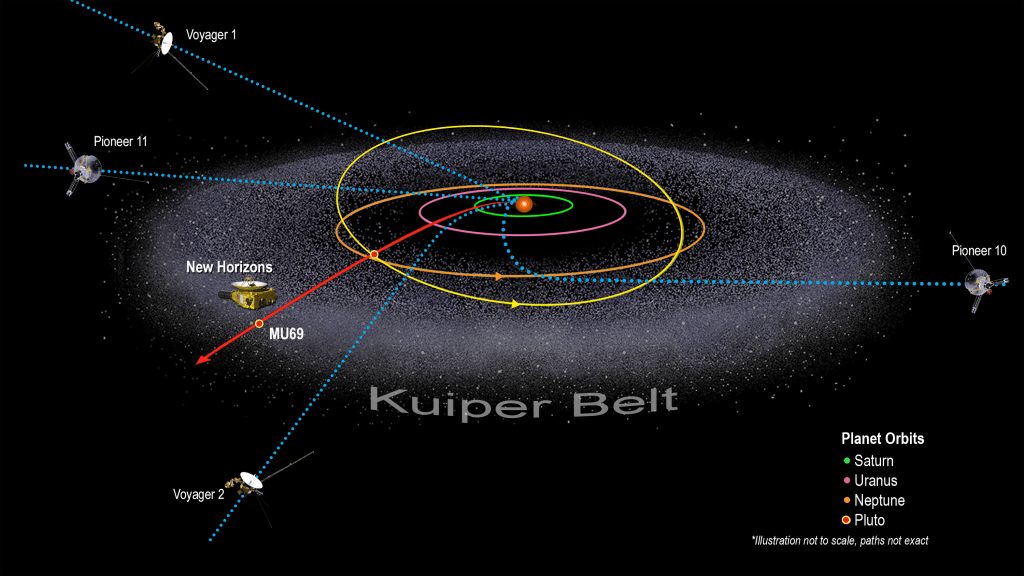
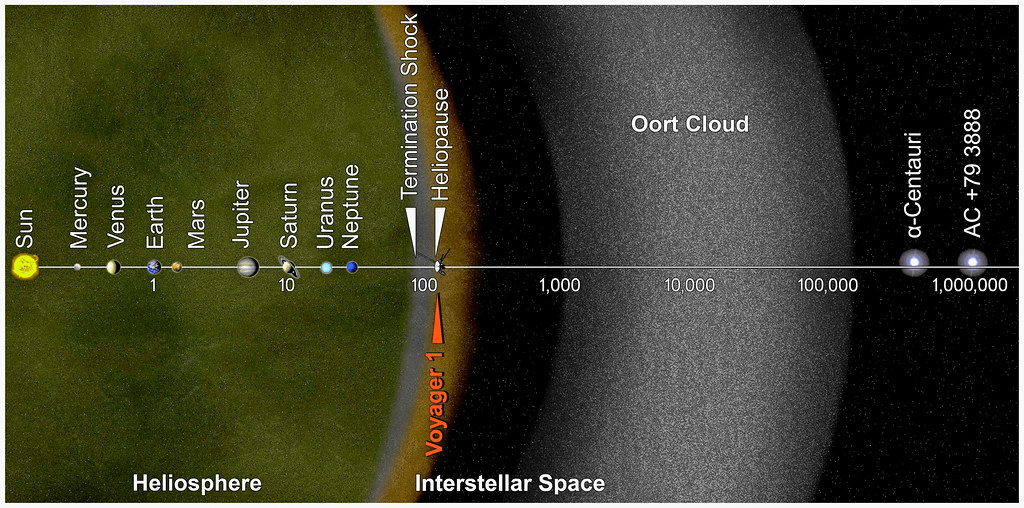
What is the similarity between a Foundling (large rocks transported by a former glacier) and the Kuiper Belt and the Oort Cloud?
Lately, so-called “accretion” bursts during the formation of young stars have been observed. These bursts can last from about two weeks to a few months. The most recent observation was made in January 2019 by astronomers at Ibaraki University in Japan, at the protostar G358-MM1. The previous two observed bursts were different, suggesting that such events may depend on the evolutionary stage of the young star.
Reference:
Disk-mediated accretion burst in a high-mass young stellar object
A. Caratti o Garatti (1), B. Stecklum (2), R. Garcia Lopez (1), J. Eislöffel (2), T.P. Ray (1), A. Sanna (3), R. Cesaroni (4), C.M. Walmsley (1 and 4), R.D. Oudmaijer (5), W.J. de Wit (6), L. Moscadelli (4), J. Greiner (7), A. Krabbe (8), C. Fischer (8), R. Klein (9), J.M. Ibañez (10) ((1) Dublin Institute for Advanced Studies, (2) Thüringer Landessternwarte Tautenburg, (3) Max Planck Institut für Radioastronomie, (4) INAF Osservatorio Astrofisico di Arcetri, (5) University of Leeds, (6) ESO European Organisation for Astronomical Research in the Southern Hemisphere, (7) Max Planck Institut für Extraterrestrische Physik, (8) Deutsches SOFIA Institut, (9) NASA Ames Research Center, (10) Instituto de Astrofísica de Andalucía)
Astronomers Have Caught a Rare And Massive ‘Accretion Burst’ in Our Galaxy
Author: JAMES OKWE CHIBUEZE, Associate Professor, North-West University.
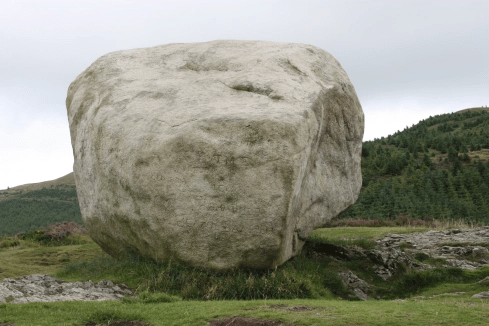
Foundling of Cloughmore
Similar to the remnants left behind by retreating glaciers, the Oort Cloud and Kuiper Belt are witnesses to a very active Sun during the formation of our solar system. Oort Cloud comets condensed when the Sun was at its most active, and these leftovers were pushed to the farthest distances from the Sun. Kuiper Belt comets condensed when the young Sun experienced its second highest activity peak. Thus, Oort Cloud comets are of similar composition to each other, and the same applies to Kuiper Belt objects.
“result gives support to migration-based dynamical models of the formation of the Solar System, which predict that significant rocky material is implanted in the Oort cloud, a result not explained by traditional Solar System formation models.“
Vida, D., Brown, P.G., Devillepoix, H.A.R. et al. Direct measurement of decimetre-sized rocky material in the Oort cloud. Nat Astron (2022). https://doi.org/10.1038/s41550-022-01844-3
2nd Kuiper Belt – New Horizons spacecraft – Chief scientist Alan Stern – more dust at greater distances from the sun than expected https://earthsky.org/space/new-horizons-pluto-spacecraft-2nd-kuiper-belt/
Book:
Hans Rickman: Origin and Evolution of Comets:Ten Years after the Nice Model and One Year after Rosetta (Advances in Planetary Science Book 2)
“A component of particular interest hosts the so-called calcium-aluminum-rich inclusions or CAIs (Sec. 2.6.2). These have a common age (4 567 Myr) that exceeds all other ages of solar system materials, so their formation is taken as the marker of the origin of the solar system. The whole-rock ages of the chondrites containing the CAIs are typically”
“Most of the short-lived radioisotopes that existed in the infant solar system can be explained either as products of stellar nucleosynthesis in the Galactic disk at relatively large distances, which is continuously ongoing, or as results of the corpuscular irradiation of the solar nebula by the solar wind, which was very strong when the Sun was formed.”
“An unexpected result is a strong heterogeneity of the olivine and pyroxene compositions between individual grains,”while Hartley 2 may rather be referred to the Scattered Disk (see Sec. 1.4), the difference in D/H ratio might reflect a difference in formation conditions at different distances from the Sun — a fundamental issue when discussing comet origins.” which indicates very different formation conditions.”
“CAI stands for Calcium–Aluminum-rich Inclusions. These occur in many chondritic meteorites and consist of minerals with extremely high condensation temperatures, often involving calcium and aluminum.”
“The most prominent of these are C2, C3 and CN, each shining in its particular wavelength bands. The so-called Swan bands of C2 are often dominant.”
“Oversimplification of the dynamical model used is extremely risky, as was seen during the ESA/Giotto flyby of comet 1P/Halley in 1986, when the spacecraft was hit by a grain far too large (its mass was ∼1 g) to be compatible with the advance predictions. “
“The DWR (dust/water ratio) would be ≃6, but Rosetta/ROSINA data for CO and CO2 had shown these molecules to contribute ∼50% in mass relative to H2O (Hässig et al. 2015).” Comets are now called dirt/dust balls with ice.
JWST James Webb Telescope Programs
https://news.virginia.edu/content/uva-astronomers-will-map-unmapped-outer-space
Assistant professor L. Ilsedore “Ilse” Cleeves
Yao-Lun Yang
Jon Ramsey
Winds of change: Webb reveals forces that shape protoplanetary disks – University of Arizona – Lead Author Ilaria Pascucci, Professor – Lunar and Planetary Laboratory
The nested morphology of disk winds from young stars revealed by JWST/NIRSpec observations, Nature Astronomy (2024). DOI: 10.1038/s41550-024-02385-7
 Circular Astronomy